Vapor Barrier vs Encapsulation: Which Crawlspace Solution Fits Your Home?
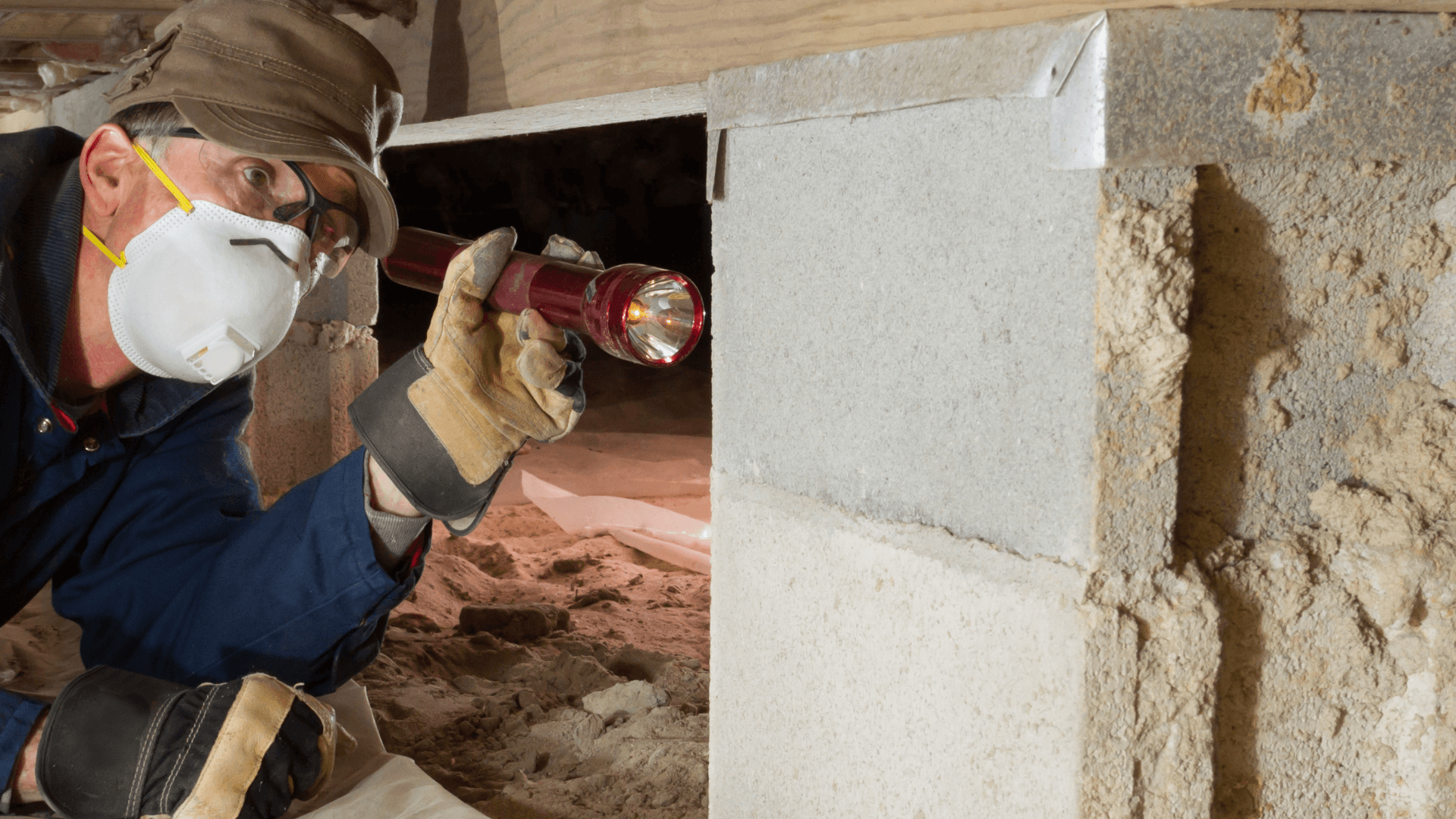
Crawlspace moisture problems look similar on the surface, but the causes and severity vary from home to home. In North Carolina, humidity, frequent rainfall, and moisture-holding soil create ongoing crawlspace challenges that homeowners often don’t notice until damage has already started.
At Dogwood Crawlspaces, we help homeowners choose the right crawlspace solution before moisture problems escalate. In areas like the Piedmont, Triad, and Triangle, crawlspace conditions can change seasonally, making it especially important to match the solution to the environment beneath your home.
Understanding the difference between a vapor barrier and complete encapsulation helps homeowners protect their crawlspace without over- or under-correcting the issue.
Which crawlspace solution does your home need? Schedule a crawlspace evaluation today.
Moisture Below the Floor Affects the Entire Home
Crawlspaces are not sealed off from living areas. Air, moisture, and contaminants move upward through gaps, ductwork, and framing. As crawl space conditions deteriorate, indoor comfort and air quality often decline.
According to the Environmental Protection Agency, up to 40% of the air inside a home can come from below-grade spaces, including crawlspaces and basements, making crawl space conditions a significant factor in indoor air quality.
That statistic alone explains why crawlspace decisions matter far beyond what you can see.
Crawlspace Vapor Barrier Benefits Explained
A crawlspace vapor barrier is a reinforced liner installed over the soil floor to prevent moisture from the ground from evaporating into the crawlspace. This is often the first step in controlling crawlspace humidity.
Crawlspace vapor barrier benefits include:
- Reduced ground moisture release
- Lower crawlspace humidity levels
- Less condensation on framing and ducts
- Improved insulation performance
- Slower mold growth
For some North Carolina homes, especially those with relatively mild moisture issues, a properly installed vapor barrier can significantly improve crawlspace conditions.
However, vapor barriers address one moisture source, not the entire environment.
Where Vapor Barriers Reach Their Limit
While vapor barriers are practical, they do not seal the crawlspace. Moist outdoor air can still enter through vents, foundation openings, and rim joists. In humid regions like Winston-Salem, Greensboro, Raleigh, and surrounding communities, this limitation matters.
Homes with:
- Persistent humidity
- Strong musty odors
- Mold growth
- Sagging insulation
- Pest activity
Often, you need more than a vapor barrier alone. This is where encapsulation enters the conversation.
Encapsulation Creates Full Environmental Control
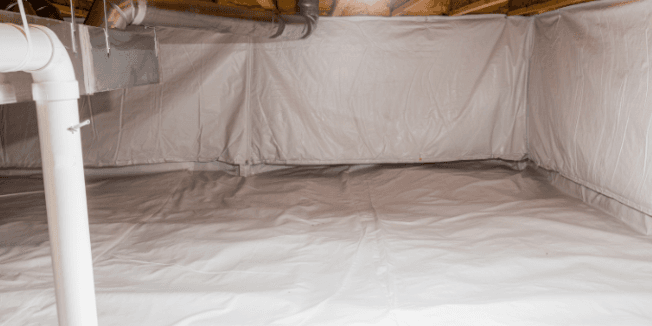
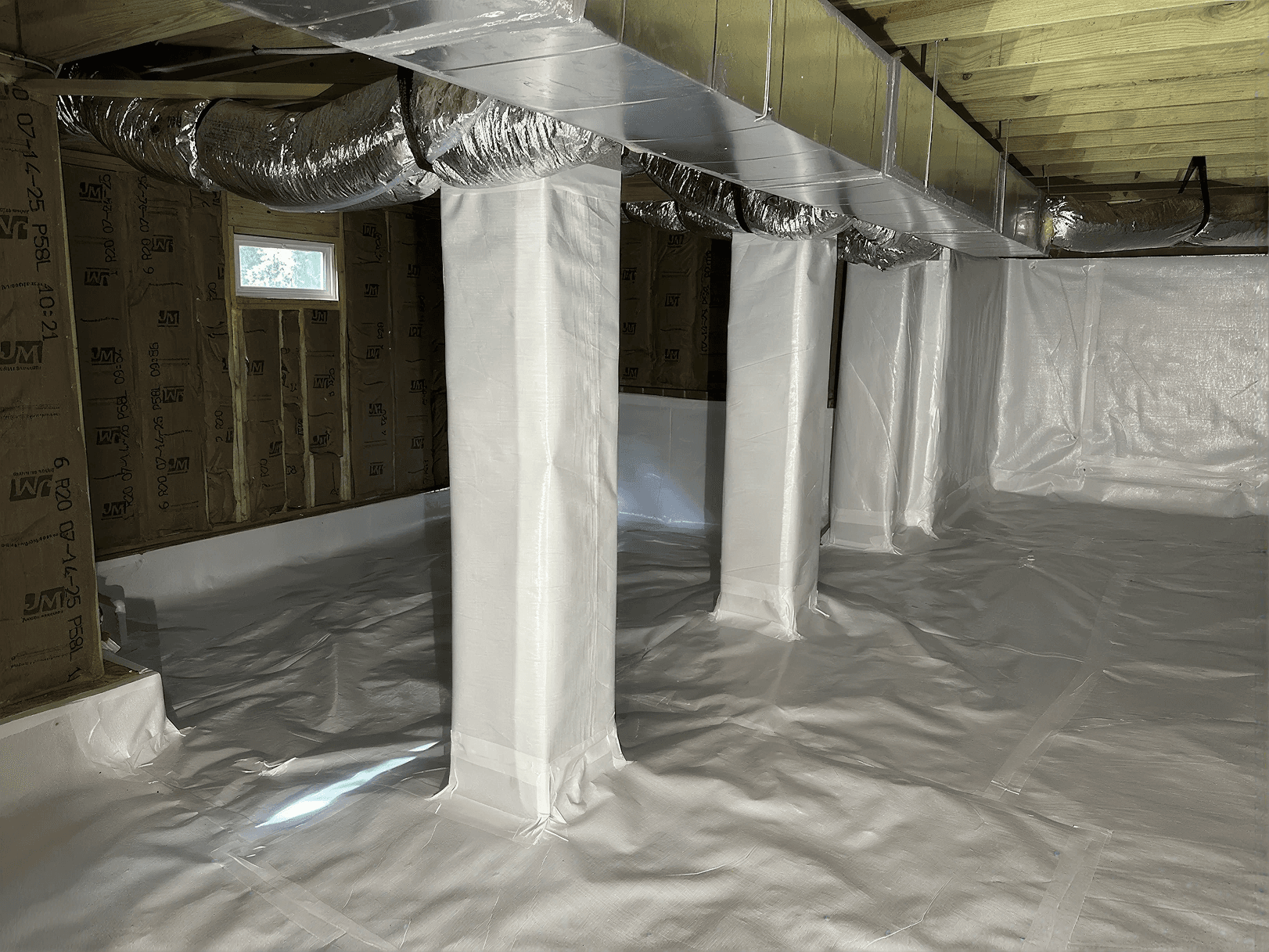
Crawlspace encapsulation goes beyond moisture reduction. It transforms the crawlspace into a sealed, controlled environment.
Encapsulation typically includes:
- Heavy-duty vapor barrier on floors and walls
- Sealed vents and penetrations
- Air sealing at foundation walls
- Controlled humidity through conditioning or dehumidification
Instead of managing moisture from a single direction, encapsulation controls air, moisture, and temperature simultaneously.
Vapor Barrier vs Encapsulation Crawlspace Comparison
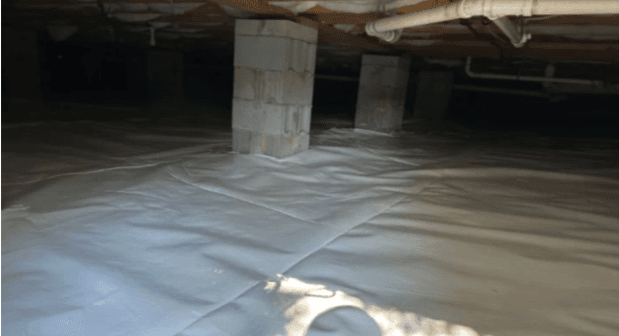
Here’s the simplest way to understand the difference:
- A vapor barrier reduces moisture coming from the ground
- Encapsulation controls the entire crawlspace environment
If moisture problems are mild and well-contained, a vapor barrier may be enough. If humidity is persistent, odors are noticeable, or air quality is affected, encapsulation usually provides the long-term solution.
Do I Need Encapsulation or a Vapor Barrier?
This is one of the most common questions homeowners ask, and the answer depends on crawlspace conditions, not preference.
You may benefit from a vapor barrier if:
- Moisture levels are moderate
- There is little to no mold
- Insulation is intact
- Odors are minimal
- Air quality issues are not present
You may need encapsulation if:
- Humidity remains high year-round
- Mold or mildew is visible
- Insulation is damp or failing
- Musty air enters the home
- Pest activity is recurring
- Energy bills remain high despite insulation upgrades
A professional evaluation is the only reliable way to determine which solution fits your home.
North Carolina’s climate makes the Choice More Important
North Carolina homes are subject to moisture pressure year-round. Winter condensation, spring rain, summer humidity, and fall temperature swings all affect crawlspace conditions.
In older homes across the Triad and Piedmont, crawlspaces were often built with venting strategies that no longer align with modern building science. As a result, moisture issues persist unless the crawlspace is sealed and appropriately controlled.
Why Professional Assessment Matters
Choosing between a vapor barrier and encapsulation without understanding crawlspace conditions often leads to repeat work and added cost.
At Dogwood Crawlspaces, our local team evaluates:
- Moisture sources
- Airflow patterns
- Insulation condition
- Structural materials
- Pest risk
- Long-term performance goals
We don’t recommend one solution for every home. We recommend what works for your crawlspace in your location.
Long-Term Results Come From the Right Solution
Both vapor barriers and encapsulation can protect a crawlspace when applied correctly. The key is matching the solution to the severity of the problem.
When moisture is adequately controlled, homeowners experience:
- Cleaner indoor air
- Fewer odors and allergens
- Improved energy efficiency
- Longer-lasting insulation
- Reduced mold and pest risk
- Greater peace of mind
Get clarity on the difference between a vapor barrier and encapsulation. Schedule your crawlspace inspection with Dogwood Crawlspaces today.
Request a
Free Estimate
Discounts for First Responders!
Recent Posts
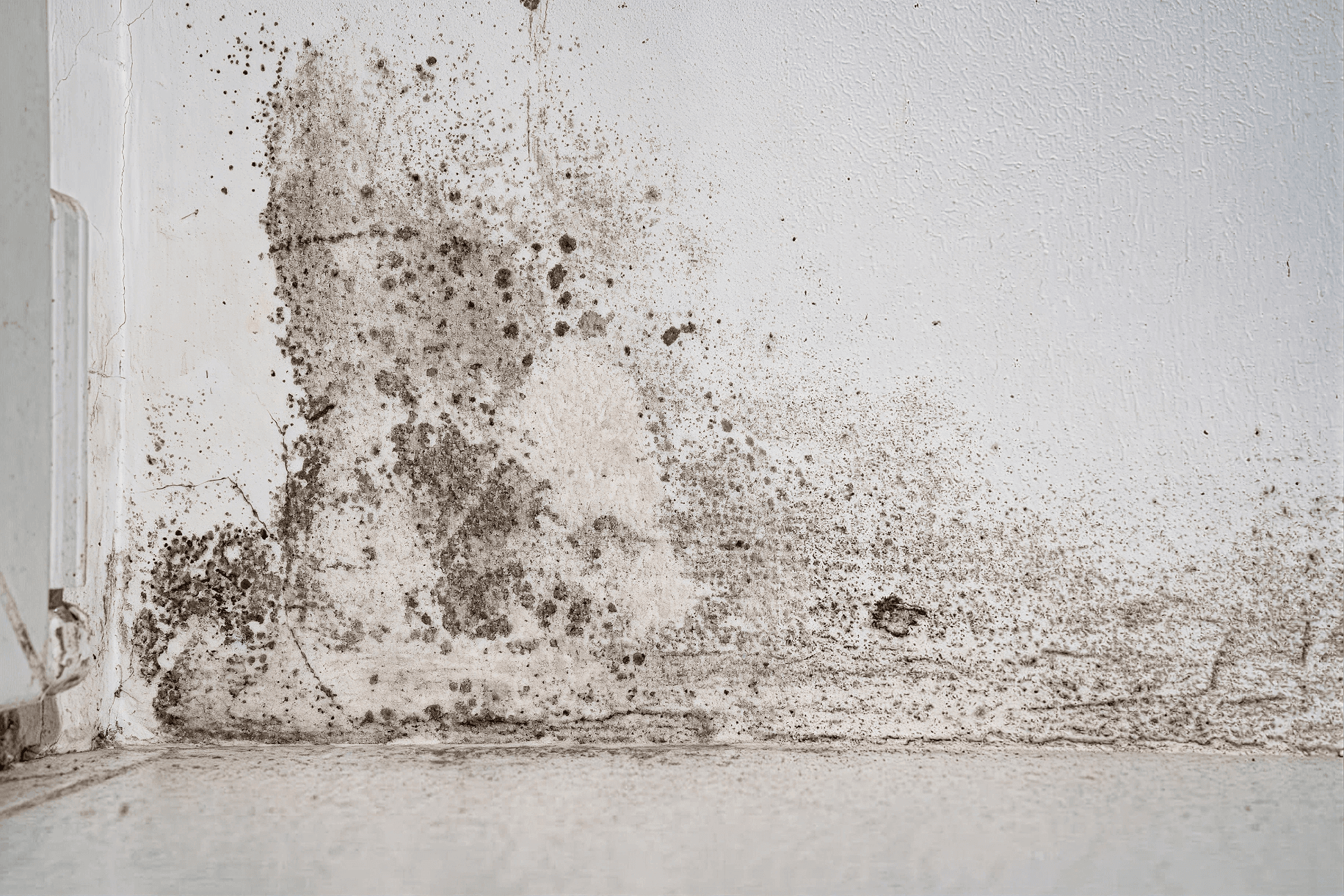
Many mold treatments focus only on visible growth. Fogging, spraying, or surface cleaning may temporarily improve appearance, but these methods do not eliminate moisture or prevent regrowth...
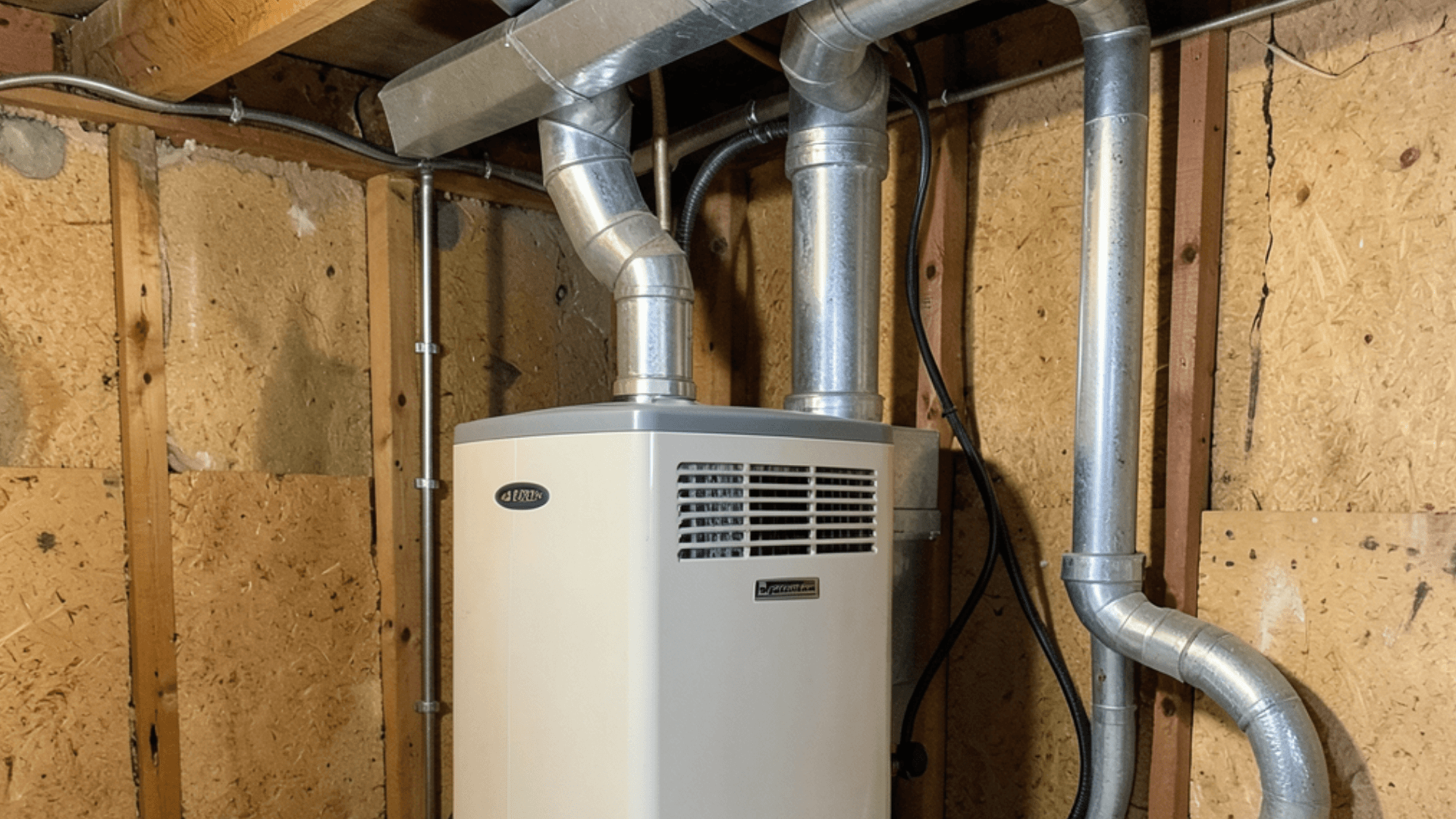
A properly working dehumidifier plays a critical role in home comfort, indoor air quality, and mold prevention...
Spring in North Carolina brings warmer weather, heavy rain, and high humidity, which can cause water issues and musty odors for many homeowners...
What Our Clients say
“Guys did a tremendous job. Moisture was significant. Got it dried out, cleaned, and new insulation installed with vapor barrier. No one enjoys spending money on an area that you don’t live in but I thought it was fairly priced for the work that was done. Highly recommend. Pics are the before and after.”
Mike E.
“Thomas was great to work with and does super quality work using the best materials. I looked into a lot of other crawlspace vapor barrier and encapsulation companies and Dogwood Crawlspaces was the best that I found and at a reasonable price too. Thanks Thomas for giving my wife and I great peace of mind with a really nice sealed crawlspace and Aprilaire whole house dehumidifier. You’re awesome!”
William Lambert
“Thomas is extremely knowledgeable and thorough in his assessment to determine the underlying issue in our crawl space. He returned my call quickly and showed up the next day without applying any uncomfortable sales pressure. A true professional!”
Alex Gunter





Contact Us
Mon-Fri: 7am – 6pm
Sat: 9am – 4pm
Sun: Closed