Winter vs Summer Crawlspace Problems: What Changes Seasonally
Crawlspace problems don’t disappear when the seasons change. They shift. What causes damage in winter often looks different from what causes trouble in summer, but both seasons quietly attack the same space beneath your home. Understanding these seasonal differences helps homeowners act earlier, prevent costly repairs, and protect indoor air quality year-round.
At Dogwood Crawlspaces, we’re locally owned and operated with a small, dedicated team known for faster response times and consistently high-quality work. We see firsthand how winter crawlspace moisture and summer crawlspace humidity pose different risks, which often compound when left untreated from one season to the next.
Schedule a seasonal crawlspace inspection with our team today.
Crawlspaces React to Temperature Swings, Not the Calendar
Crawlspaces respond to changes in temperature, airflow, and ground conditions more than the season itself. When outdoor air shifts from cold to warm or from dry to humid, moisture behavior changes inside the home.
In winter, cold surfaces create condensation. In summer, humid air carries moisure into the crawlspace. Both scenarios raise humidity levels, feed mold growth, and stress structural materials.
Winter Crawlspace Moisture: Slow, Hidden, and Persistent
Winter moisture problems tend to develop quietly. Cold weather gives homeowners a false sense of security, especially when the rain slows or the humidity feels lower outdoors.
Familiar winter crawlspace moisture sources include:
- Condensation on cold ducts, pipes, and joists
- Damp soil that dries slowly due to low evaporation
- Warm indoor air is leaking downward into the cold crawlspace air
- Trapped moisture from fall rainfall
When warm air meets cold surfaces, moisture condenses. That condensation repeatedly wets wood and insulation, creating ideal conditions for mold and long-term decay.
According to the Environmental Protection Agency, mold growth becomes likely when humidity consistently exceeds 60 percent. Many untreated crawlspaces remain above this level during winter due to condensation and trapped moisture, even when outdoor air feels dry.
Winter crawlspace moisture often leads to:
- Soft or bouncy floors
- Musty odors when the heat runs
- Damp or sagging insulation
- Early-stage wood decay
These issues rarely look urgent, which is why they often worsen before spring arrives.
Summer Crawlspace Humidity: Fast, Aggressive, and Widespread
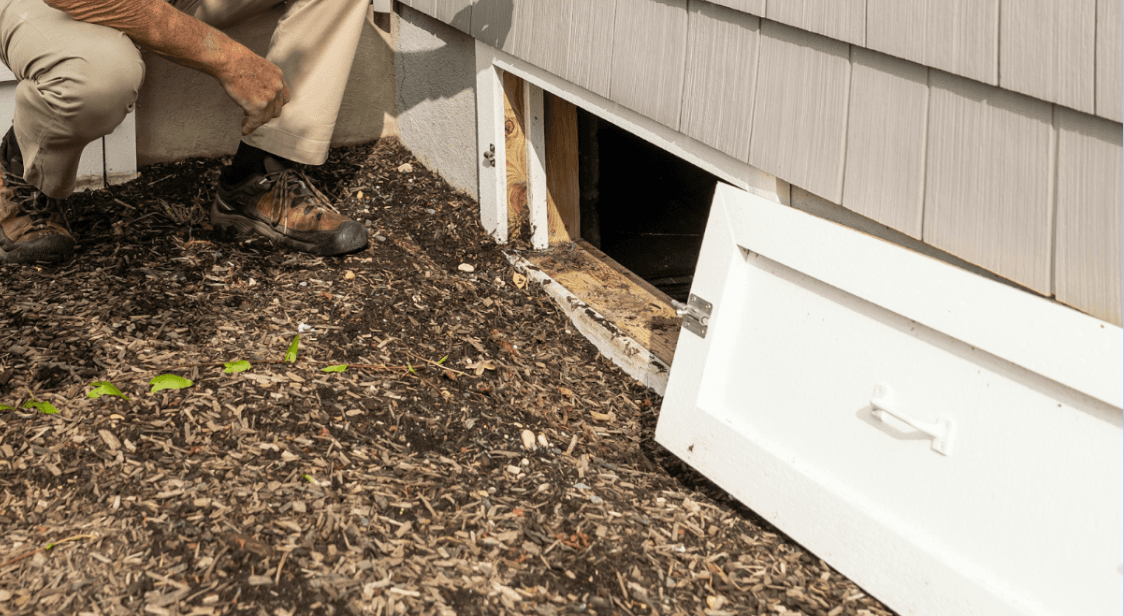
Summer brings a different challenge. Summer crawlspace humidity is driven by warm, moisture-heavy air entering the crawlspace through vents, gaps, and foundation openings.
Hot outdoor air holds more moisture. When it enters the cooler crawlspace, humidity rises rapidly. If vents are open, humid air flows freely beneath the home, raising moisture levels across the entire space.
Summer humidity commonly causes:
- Active mold growth on wood and insulation
- Strong musty odors are moving into the home
- Insulation deterioration
- Increased pest activity
- Higher cooling costs
Unlike winter moisture, summer humidity accelerates damage quickly. Mold spreads faster, wood stays damp longer, and indoor air quality often declines noticeably.
Insulation Struggles in Both Seasons
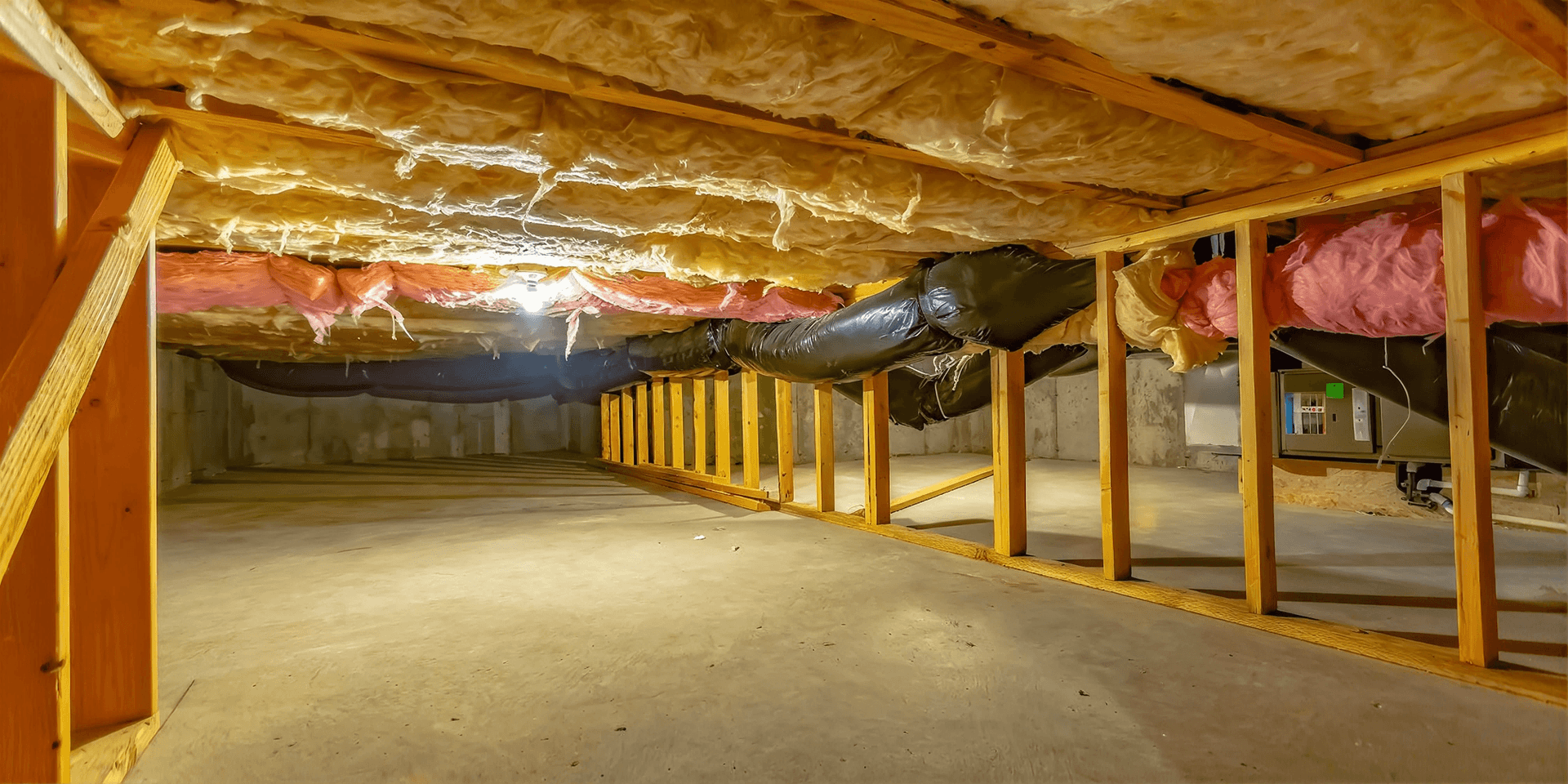
Insulation suffers year-round when moisture is present. In winter, condensation wets insulation from above. In summer, humid air saturates it from all sides.
Moist insulation:
- Loses thermal resistance
- Falls or compresses
- Traps odors and allergens
- Becomes a nesting area for pests
Homeowners often assume heating or cooling issues originate with HVAC systems, but crawlspace insulation failure is frequently the real cause.
The Stack Effect Changes Seasonally
Airflow patterns also shift between winter and summer. In winter, warm air rises and exits the upper levels of the home. Replacement air is pulled upward from the crawlspace. This process, known as the stack effect, draws crawlspace air, moisture, and odors directly into living spaces.
In summer, air movement reverses. More extraordinary indoor air sinks while hot outdoor air enters lower areas, pushing humid air into the crawlspace. Both patterns circulate crawlspace contaminants into the home.
This constant exchange makes crawlspace conditions a major driver of indoor air quality.
Seasonal Moisture Compounds When Ignored
One of the biggest risks homeowners face is allowing crawlspace issues to carry over from one season to the next.
Winter condensation weakens wood. Spring rain saturates the soil. Summer humidity fuels mold growth. By fall, damage has compounded across multiple materials.
This seasonal overlap increases:
- Repair complexity
- Mold remediation needs
- Structural reinforcement costs
- Long-term air quality issues
Stopping moisture in one season helps reduce damage in the next.
Seasonal Solutions that Work Year-Round
The most effective crawlspace solutions don’t change with the seasons. They address moisture at the source and stabilize conditions year-round.
Key components include:
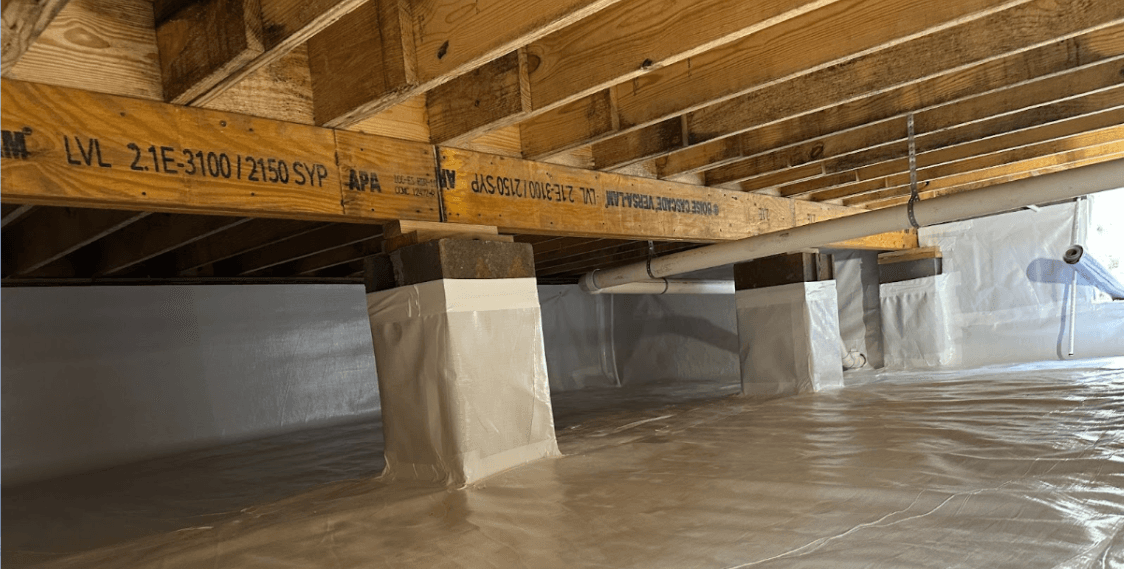
- Vapor barriers to block ground moisture
- Encapsulation to seal the crawlspace environment
- Dehumidifiers to maintain safe humidity levels
- Drainage solutions to manage water entry
When these systems work together, crawlspaces remain dry during winter condensation and summer humidity spikes.

Signs Seasonal Moisture Is Already Causing Problems
Homeowners often notice subtle signs that change with the seasons:
- Winter: cold floors, musty air when heating runs
- Summer: more pungent odors, higher indoor humidity, allergy flare-ups
- Year-round: uneven floors, rising energy bills, visible condensation
These signals suggest moisture patterns that require professional attention.
Seasonal Inspections Prevent Costly Surprises
Seasonal crawlspace inspections reveal problems when they’re easiest to identify. Winter inspections expose condensation patterns. Summer inspections highlight ventilation and humidity issues.
At Dogwood Crawlspaces, inspections focus on understanding how seasonal conditions affect your specific home. As a local team, we know how climate, soil, and construction styles influence moisture behavior in the region.
Early intervention keeps minor seasonal issues from becoming major repairs.
A Stable Crawlspace Supports Every Season
A healthy crawlspace doesn’t fluctuate wildly with the weather. Moisture stays controlled. Air remains clean. Insulation performs consistently. Structural materials stay dry.
When crawlspace conditions stabilize, homeowners enjoy:
- Cleaner indoor air year-round
- Lower heating and cooling costs
- Reduced mold risk
- Longer-lasting insulation and wood
- Greater peace of mind
Seasonal weather will continually change. Crawlspace conditions don’t have to.
Seasonal Crawlspace Problems Don’t Fix Themselves
Winter crawlspace moisture and summer crawlspace humidity create different risks, but both demand attention. Ignoring one season sets the stage for damage in the next. By understanding seasonal moisture patterns and addressing them early, homeowners protect their homes from hidden damage that grows quietly over time.
Book your crawlspace inspection with our team and protect your home year-round.
Request a
Free Estimate
Discounts for First Responders!
Recent Posts
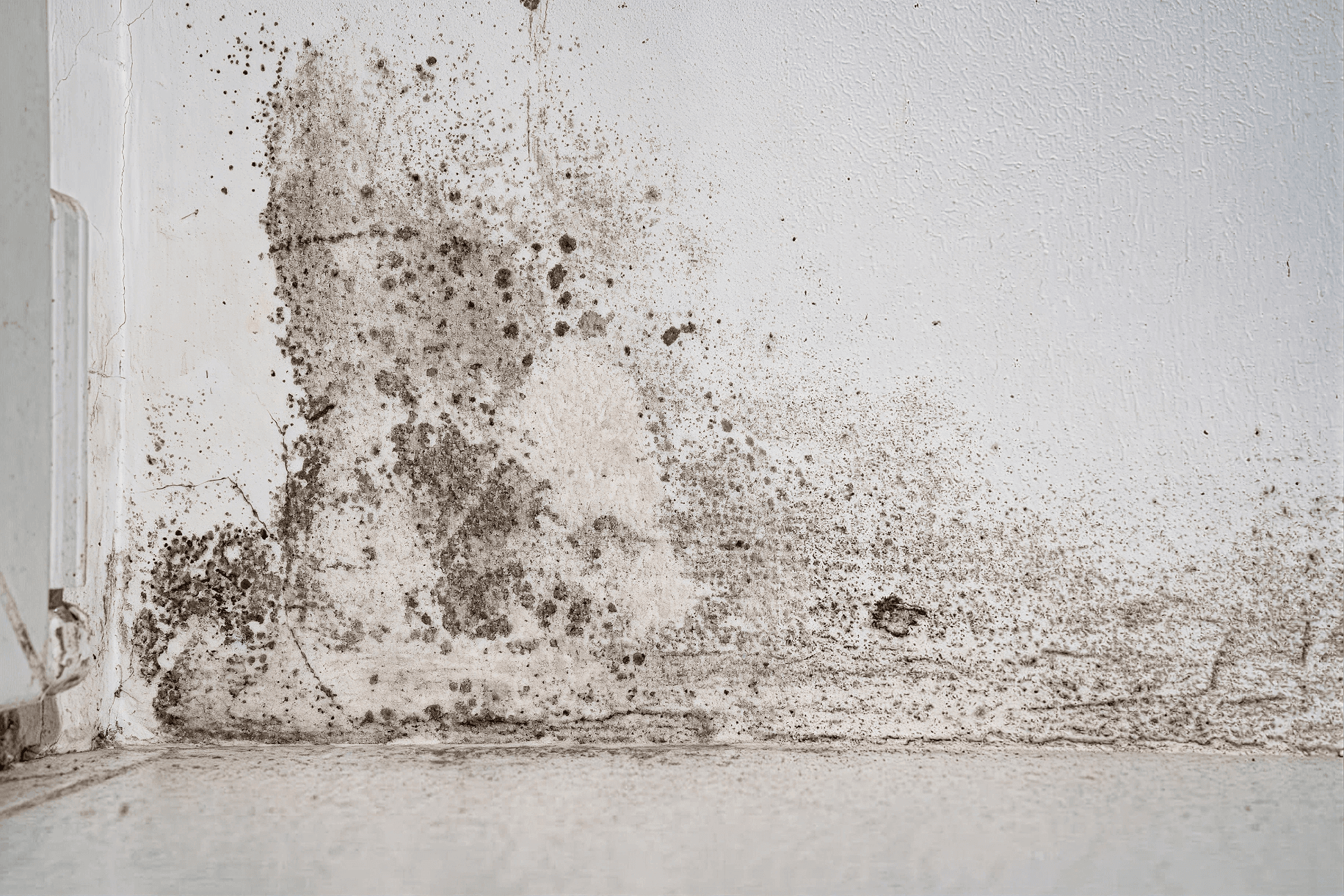
Many mold treatments focus only on visible growth. Fogging, spraying, or surface cleaning may temporarily improve appearance, but these methods do not eliminate moisture or prevent regrowth...
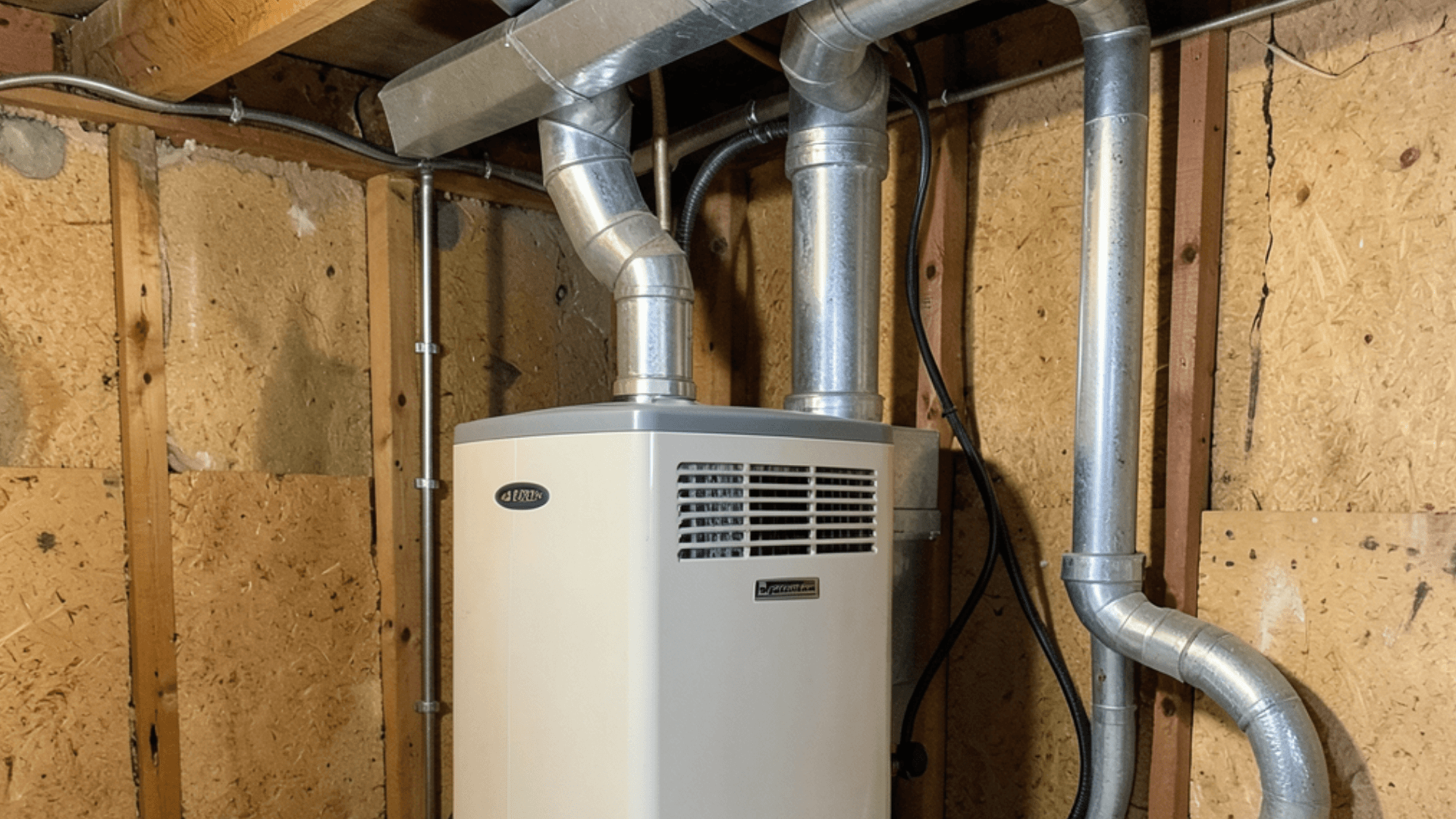
A properly working dehumidifier plays a critical role in home comfort, indoor air quality, and mold prevention...
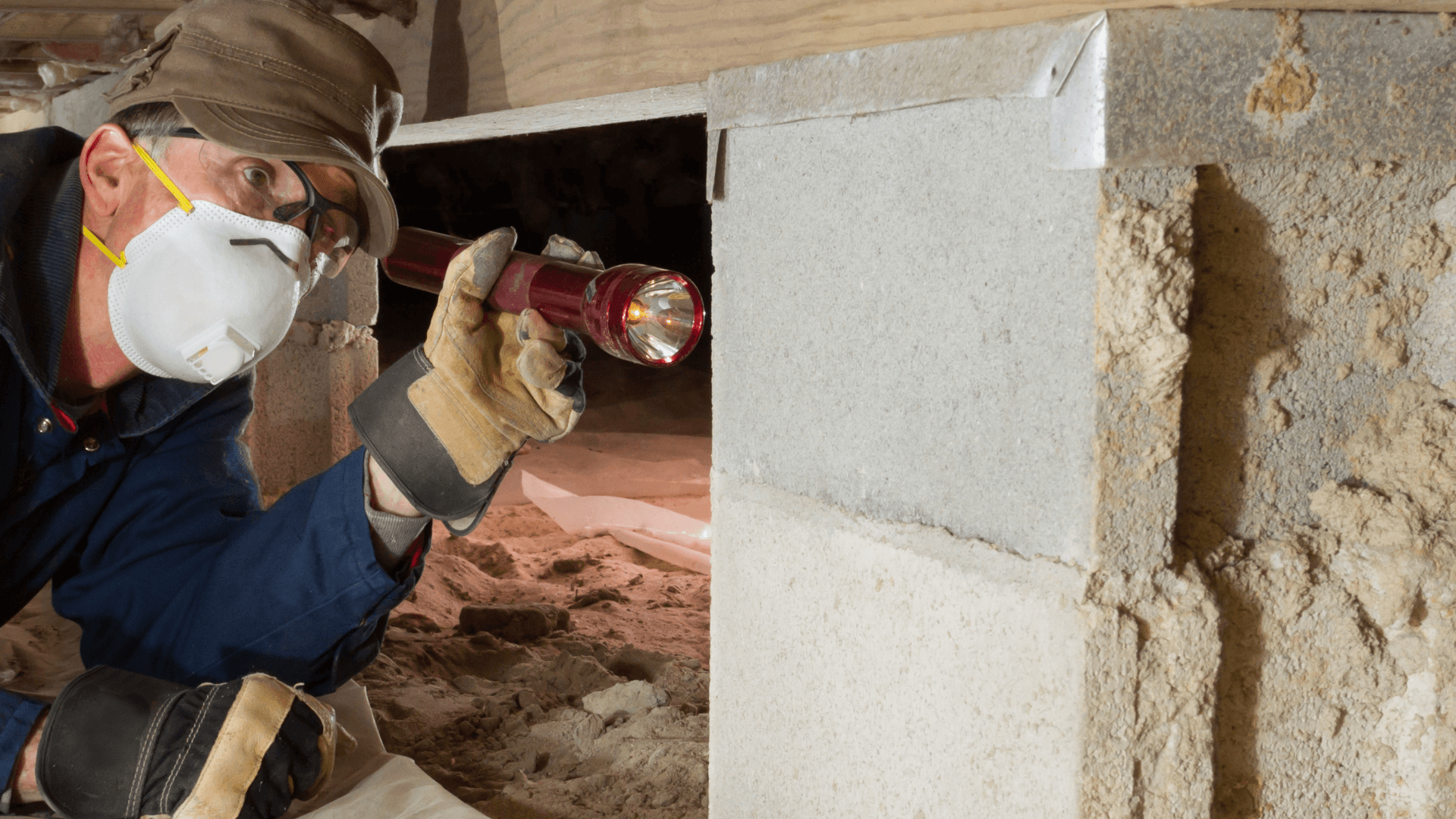
Spring in North Carolina brings warmer weather, heavy rain, and high humidity, which can cause water issues and musty odors for many homeowners...
What Our Clients say
“Guys did a tremendous job. Moisture was significant. Got it dried out, cleaned, and new insulation installed with vapor barrier. No one enjoys spending money on an area that you don’t live in but I thought it was fairly priced for the work that was done. Highly recommend. Pics are the before and after.”
Mike E.
“Thomas was great to work with and does super quality work using the best materials. I looked into a lot of other crawlspace vapor barrier and encapsulation companies and Dogwood Crawlspaces was the best that I found and at a reasonable price too. Thanks Thomas for giving my wife and I great peace of mind with a really nice sealed crawlspace and Aprilaire whole house dehumidifier. You’re awesome!”
William Lambert
“Thomas is extremely knowledgeable and thorough in his assessment to determine the underlying issue in our crawl space. He returned my call quickly and showed up the next day without applying any uncomfortable sales pressure. A true professional!”
Alex Gunter





Contact Us
Mon-Fri: 7am – 6pm
Sat: 9am – 4pm
Sun: Closed